The Curiosity Approach at Meraki Bayswater
Natural materials, calm spaces and child-led learning
What is the Curiosity Approach?
The Curiosity Approach is an early childhood philosophy built on a simple idea: children learn best when they are free to explore real, beautiful and open-ended things at their own pace. It draws on ideas from Reggio Emilia, Montessori and Te Whāriki, and asks educators to slow down, step back and follow children's curiosity.
At Meraki ELC Bayswater, the Curiosity Approach is our lead educational philosophy. Our resources reflect those you would see at home and encourage imagination, creativity and learning through play.
The key ideas
Natural, authentic materials
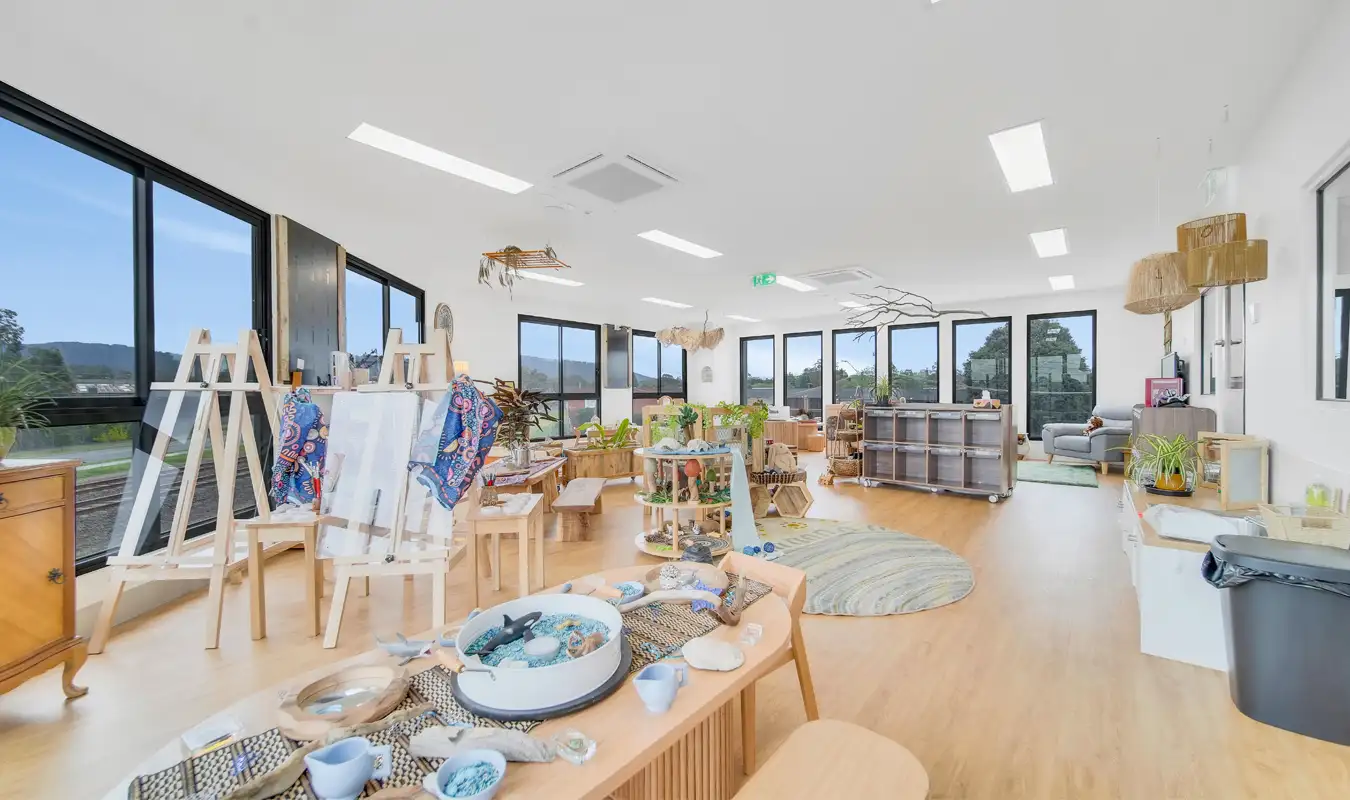
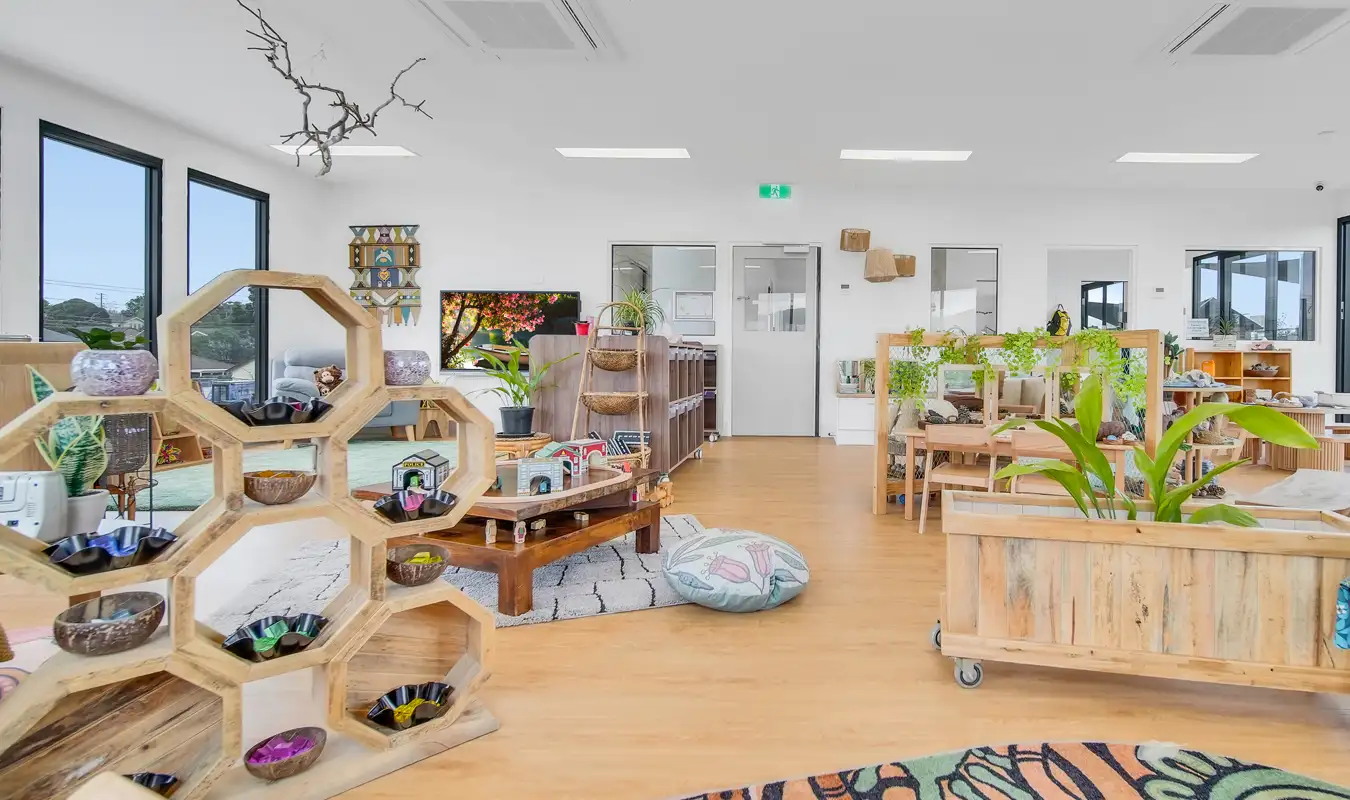
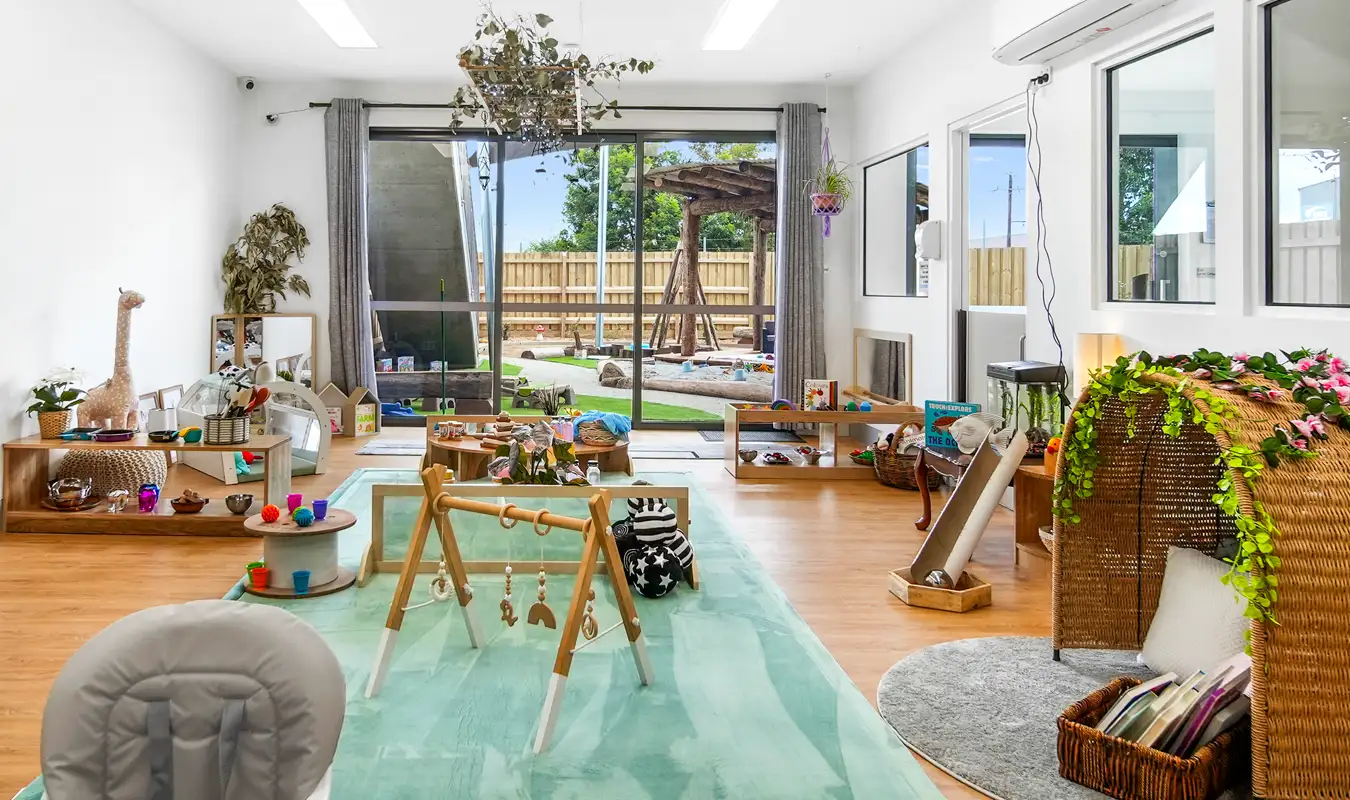
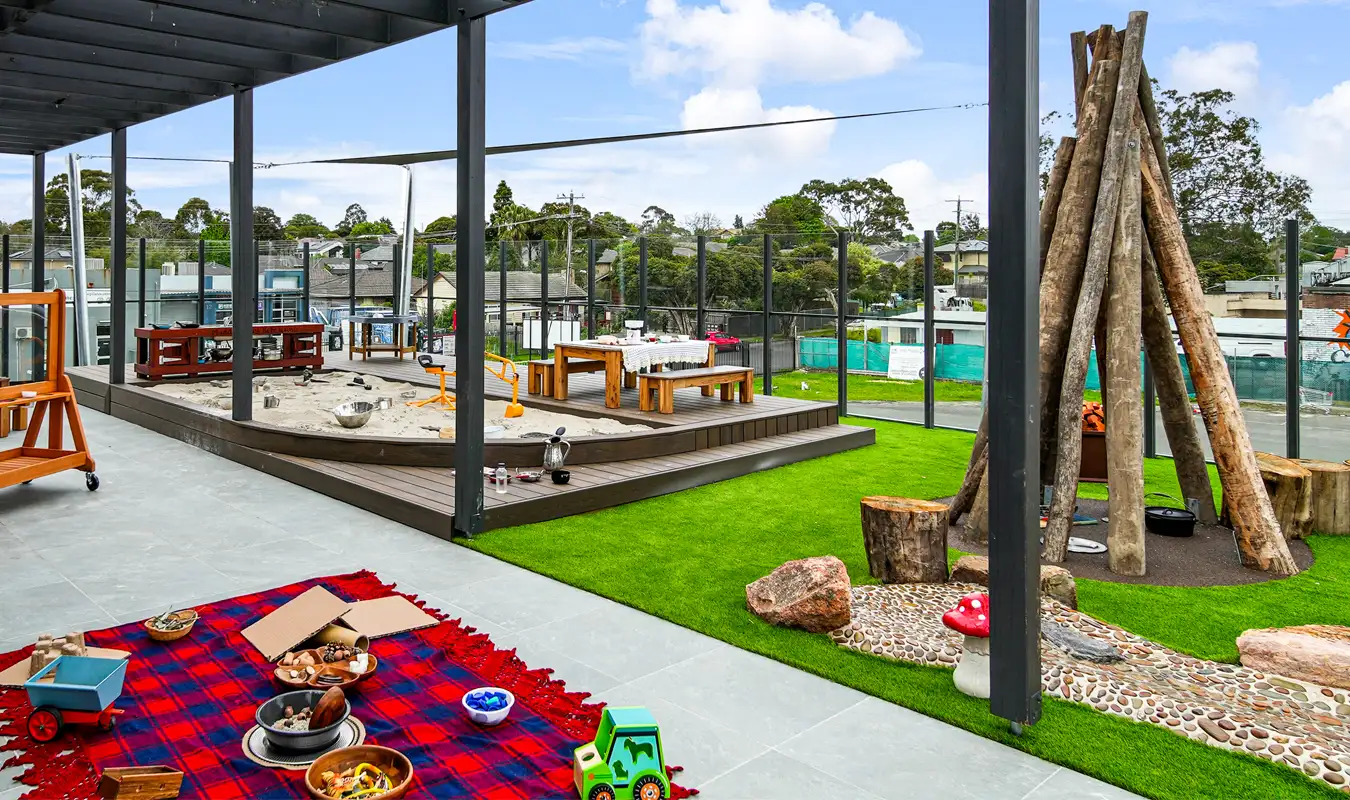
Wood, wicker, fabric, stones, shells, real kitchenware and loose parts replace most bright plastic toys. Open-ended objects can become anything a child imagines.
Less plastic, fewer screens
The approach deliberately steps back from plastic and screen-based play, so children spend their time creating, building, talking and exploring with their hands.
Calm, neutral, home-like spaces
Soft light, neutral colours and uncluttered shelves help children feel settled and focus on what they are doing — rooms that feel more like a home than a classroom.
Child-led inquiry
Educators observe what children are curious about and extend it, rather than running every child through the same activity at the same time.
Awe and wonder
The goal is to protect children's natural sense of wonder — noticing, questioning and delighting in the world around them.
How it looks day to day in our Bayswater rooms
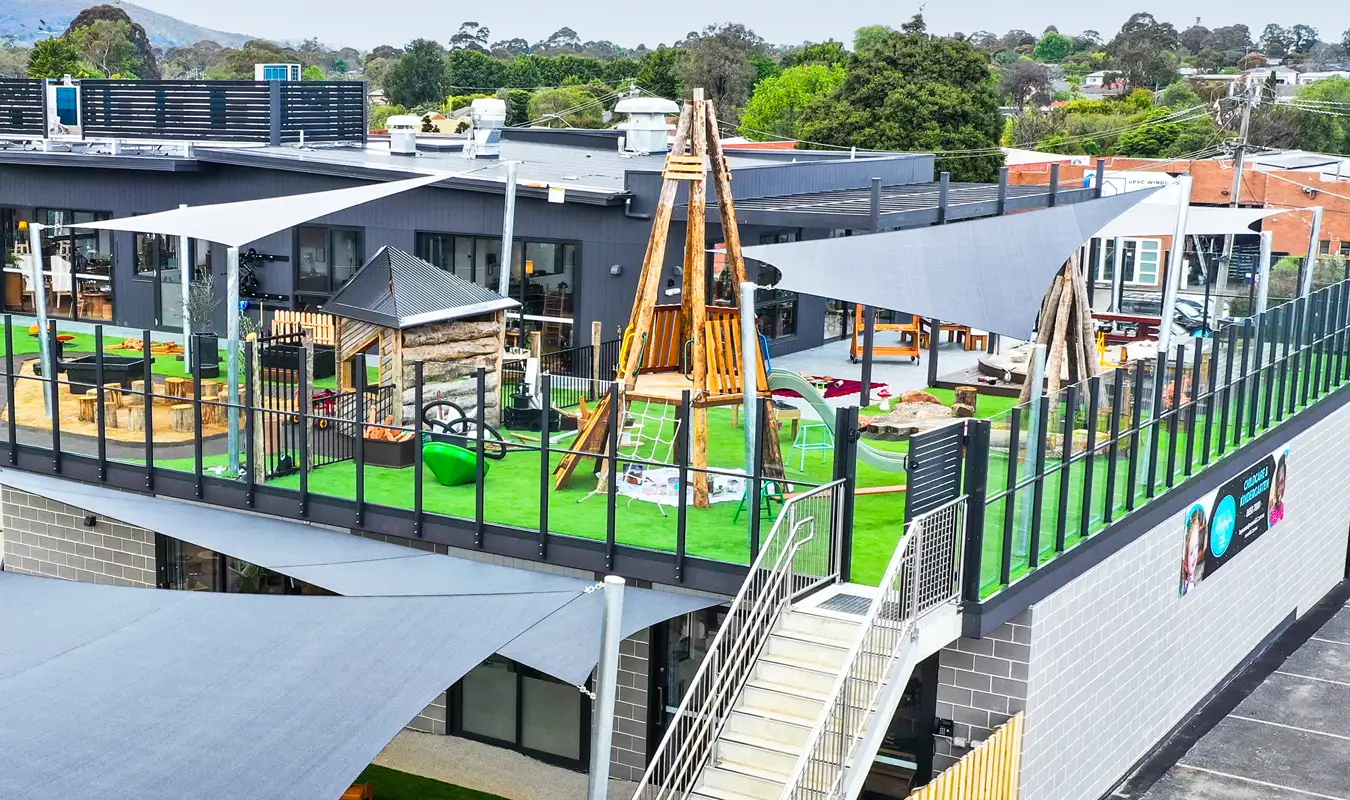
Bayswater is a 96-place service across two light-filled storeys, set in a quiet court at 17 Burton Court where children can watch the trains go by from the kindergarten rooms.
Rooms are set up with natural, home-like resources rather than rows of plastic toys. Combined with our Hygge-inspired philosophy, the spaces feel warm, calm and unhurried — inviting exploration at each child's own pace.
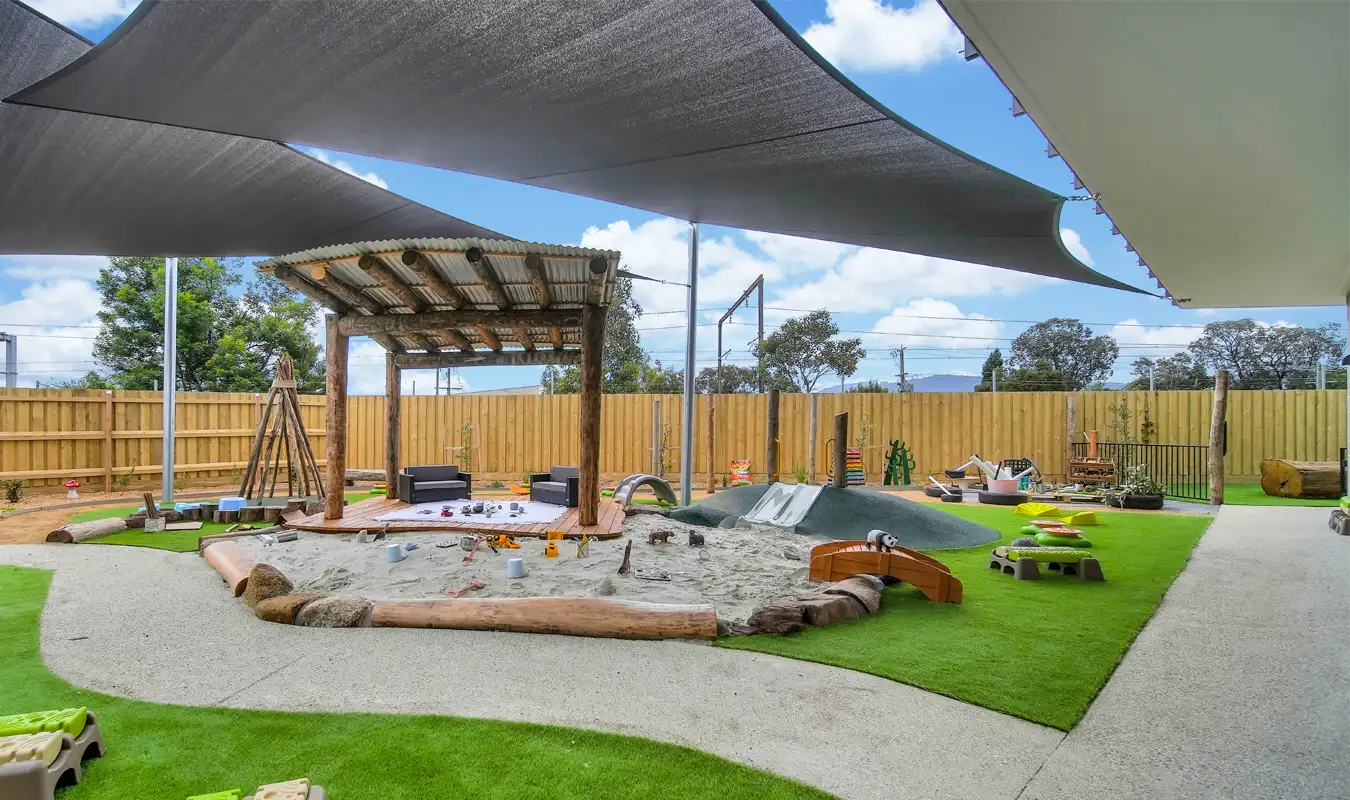
Our programs are child-led: educators notice what children are interested in and build on it through inquiry-based projects, an indoor / outdoor program, community outings and incursions.
How it fits with the EYLF and funded kinder
The Curiosity Approach shapes how our rooms look and feel. What children learn is guided by the Early Years Learning Framework (EYLF) and the Victorian Early Years Learning and Development Framework (VEYLDF), which set out the outcomes every child in Australian early learning works towards — identity, connection, wellbeing, confident learning and communication.
Our funded Three and Four Year Old Kindergarten programs at Bayswater are led by a qualified Kindergarten Teacher and delivered inside long day care. Play-based learning in Curiosity Approach spaces sits alongside intentional teaching and school-readiness skills.
Want to compare philosophies? Read Reggio vs Montessori vs play-based learning.
Take a look inside Meraki Bayswater
Curiosity Approach FAQs
What is the Curiosity Approach?
The Curiosity Approach is an early childhood philosophy that encourages learning through natural, authentic and open-ended materials in calm, home-like environments. It draws on ideas from Reggio Emilia, Montessori and Te Whāriki, and focuses on child-led inquiry and protecting children's sense of awe and wonder.
Is the Curiosity Approach the same as Montessori or Reggio?
No, but it borrows from both. Like Reggio Emilia it values the environment as a teacher and follows children's interests; like Montessori it uses real, purposeful materials and respects children's independence. The Curiosity Approach blends these ideas with a strong focus on natural resources, calm spaces and less plastic.
Does my child still get school-readiness learning?
Yes. At Meraki Bayswater our program is guided by the Early Years Learning Framework (EYLF) and the Victorian Early Years Learning and Development Framework (VEYLDF). Our funded Three and Four Year Old Kindergarten programs are led by a qualified Kindergarten Teacher, with play-based learning and intentional teaching that build early literacy, numeracy, confidence and social skills.
Do you use screens?
The Curiosity Approach favours hands-on, real-world play over screen-based activities, and our Bayswater rooms are designed around natural, open-ended resources. If you'd like to know exactly how technology is used in your child's room, ask our team on your tour.
Can I see the Curiosity Approach in action before enrolling?
Yes — book a tour of Meraki ELC Bayswater at 17 Burton Court. You'll see the rooms, the resources and the children's learning displays, and can ask our educators how the approach looks for your child's age group.
See the Curiosity Approach for yourself
Walk through our Bayswater rooms, meet the educators and ask how it looks for your child.